Recovery can feel big at first. Still, you can start with one small step. First, say what you want in one clear sentence. For example, say, “I want to stop using.” Next, pick one action you can do today. Then, tell one person you trust. Also, set a short goal for the next 24 hours. That keeps things clear when stress hits. Many people worry about relapse. However, research shows relapse can happen with many long-term illnesses. NIDA says relapse in addiction is like relapse in asthma or high blood pressure. So, a slip does not erase progress. Instead, it shows your plan needs a change.
Start With These Small Recovery Steps
- Write two reasons you want to change.
- Remove alcohol or drugs you can reach fast.
- Save two support numbers in your phone.
- Plan what you will do after work.
If you take one step today, you build real momentum.
Get A Health Check Before Starting Recovery
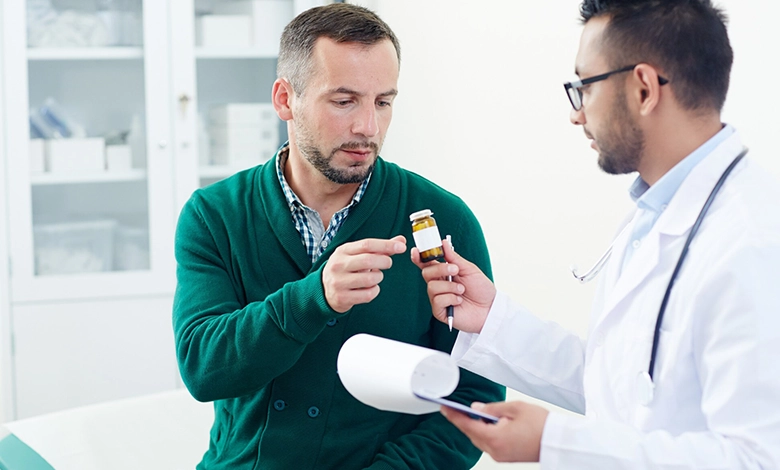
First, get a medical check before you stop. That step helps you quit in a safer way. Also, it helps you spot health issues that may push you. For example, anxiety, depression, and pain can drive cravings. So, tell your clinician what you use and how often. Then, share your last use time. Next, ask about tests that fit your history. This can include blood pressure checks and basic lab work. Also, ask about sleep, since poor sleep raises relapse risk. If you have weight changes, bring that up too. Many people gain weight after quitting alcohol or drugs. So, a simple food plan can help. Baltimore Healthcare PC offers internal medicine and weight loss centers. That means you can work on recovery and health in one place.
Ask Your Clinician These Direct Questions
- Do I need a safer plan to stop?
- What symptoms should make me call right away?
- Which medicine changes should I make now?
When you treat the body and mind together, you lower stress.
Pick Detox Support Based To Your Real Risks
Withdrawal can feel awful. However, some withdrawals can also be dangerous. So, ask for medical advice before you quit heavy alcohol use. MedlinePlus notes that some people need hospital care for moderate to severe alcohol withdrawal. Also, MedlinePlus explains that delirium tremens is a severe form of alcohol withdrawal. That can include serious confusion and shaking. In contrast, opioid withdrawal often feels intense but is usually not life-threatening. Still, it can push people back to using fast. So, choose detox support that matches your risk. Also, plan what happens after detox, since detox is only the first step.
Common Detox Choices You Might Consider
- Home plan with close check-ins.
- Outpatient support with symptom relief medicine.
- Monitored care for higher-risk cases.
Next, book your follow-up visit before detox ends. Then, you keep care in motion.
Use Proven Medicines To Safely Reduce Cravings
Medicine can help many people stay steady in recovery. Still, it works best with counseling and follow-ups. For opioid use disorder, there are FDA-approved options. NIDA lists methadone, buprenorphine, and naltrexone as effective medicines. These medicines can lower cravings and lower overdose risk. Also, NIH reported strong results after a nonfatal overdose. It found that methadone cut opioid-related deaths by 59%. It also found that buprenorphine cut opioid-related deaths by 38%. Yet, NIH noted fewer than one-third got these medicines after an overdose. So, asking about medicine can matter a lot.
Key Recovery Topics To Discuss With Clinician
- Your drug use history and overdose risk.
- Side effects and dose changes.
- How long will you need treatment?
Also, never mix medicines with alcohol unless your clinician approves. When you use medicine the right way, you protect your recovery.
Learn Therapy Skills You Can Use Every Day
Therapy helps you change what you do when life gets hard. So, it can help even when you feel “fine.” One common method is CBT. CBT helps you spot triggers and change your next choice. For example, you learn to catch thoughts that lead to use. Then, you practice a new action instead. Another approach is Motivational Interviewing. It helps when you feel stuck between quitting and using. Also, group sessions can help you feel less alone. NIDA says addiction treatment often works best when it matches each person’s needs. So, try a few options and see what fits.
Simple Recovery Skills To Practice Each Week
- Name your top three triggers.
- Write one coping plan for each trigger.
- Practice a “call first” rule before you use it.
- Rehearse how to leave risky places fast.
Over time, these skills feel more natural. Then, you rely less on willpower.
Build Simple Routines For Sleep, Food And Movement.
Daily habits can protect recovery. So, keep them simple and repeatable. First, set one wake-up time for most days. Then, aim for a steady bedtime. Also, keep screens away near bedtime when you can. Next, eat regular meals, because hunger can feel like a craving. For example, eat protein at breakfast and lunch. Also, add fiber when you can, like oats or beans. Then, drink water throughout the day, since thirst can raise stress. Light movement helps too. So, try a short walk after dinner. Still, avoid big changes all at once. Small steps last longer. Baltimore Healthcare PC offers internal medicine and weight loss centers. So, you can get support for weight, blood pressure, and healthy eating.
Try This Easy Daily Recovery Plan
- Breakfast within two hours of waking.
- Two short walks, even ten minutes each.
- One planned snack to avoid late cravings.
When your body feels steady, your mind often follows.
Plan For Common Triggers Before They Arrive
Triggers will show up. So, plan for them before you face them. First, list your top trigger times. For example, paydays, weekends, or after work. Next, list your top trigger places. Then, list your top trigger feelings, like anger or loneliness. After that, build a short action plan you can follow quickly. Also, share the plan with one support person. That way, they can help right away.
Keep Your Recovery Plan Short And Clear
- If I crave, I wait 20 minutes.
- Then, I drink water and eat a small snack.
- Next, I call my support person.
- After that, I leave the risky place.
- Finally, I go somewhere safe.
Also, use a quick self-check. Ask, “Am I hungry, angry, lonely, or tired?” Then, fix the simple need first. If you slip, call for help quickly. Then, you stop a small slip from growing.
Stay Connected With Recovery Support And Aftercare
Support is not a “nice extra.” Instead, it helps many people stay in recovery. So, build support on purpose. First, pick two people who respect your goal. Then, tell them what you need from them. For example, ask for check-in texts or rides to visits. Also, consider peer support groups that fit your style. Many people try more than one group before they find a match. Keep follow-up visits too, even after you feel better. NIDA says substance use disorders are long-term illnesses, and relapse can be part of recovery. So, plan check-ins like you would for diabetes or asthma. If you need quick help finding treatment, you have options.
Take The Next Step Toward Addiction Recovery
You do not need a perfect plan today. Instead, you need a safe start and steady support. Baltimore Healthcare PC can help you begin with a medical visit. We can review your health, your medicines, and your risks. Then, we can talk through safe detox options and next steps. We also track sleep, blood pressure, and weight during recovery. Baltimore Healthcare PC offers internal medicine and weight loss centers. So, you can work on health goals while you build sobriety. If you feel overwhelmed, still make the call. One visit can help you feel less alone and clearer. Call Baltimore Healthcare PC now to book your appointment. Ask for a recovery support visit and a full health check.